The article in the next paragraphs pertaining to Garbage Disposal Leaking From Bottom is amazingly fascinating. Try it and draw your own conclusions.
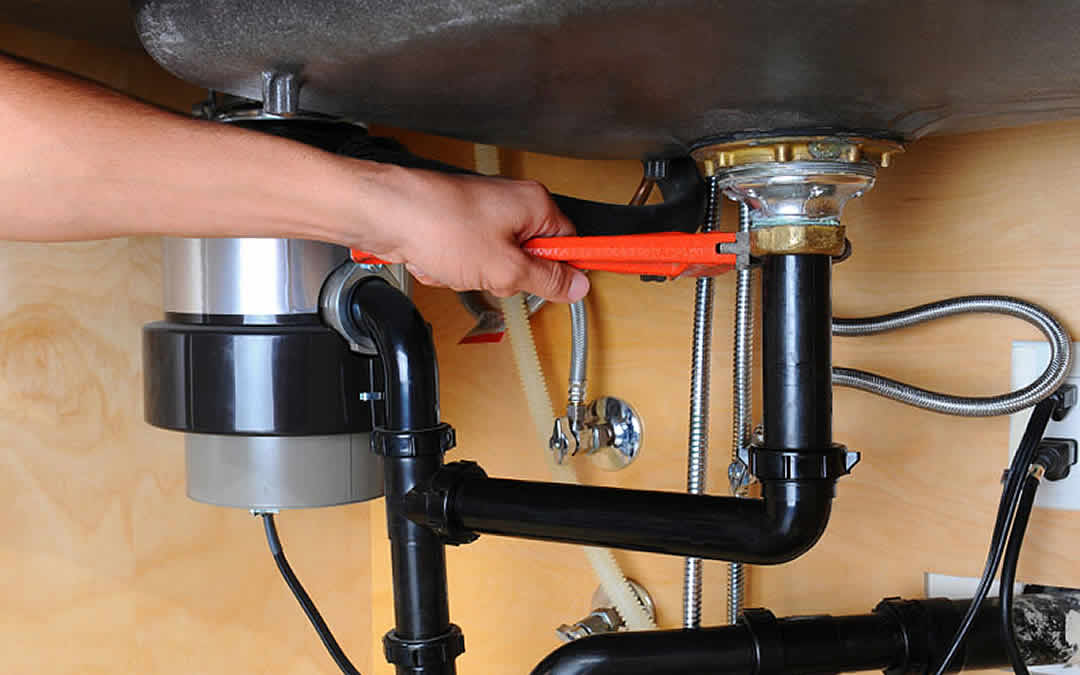
Waste disposal unit are vital cooking area appliances that aid in getting rid of food waste effectively. Nevertheless, a dripping garbage disposal can be an aggravating and unpleasant trouble to manage. Fortunately, several leakages can be fixed quickly with a few easy actions. In this post, we will certainly discuss just how to deal with a dripping waste disposal unit efficiently.
Introduction
Garbage disposals are mounted under cooking area sinks and are designed to shred food waste into smaller items, allowing it to pass through the pipes system easily. While these gadgets are generally trustworthy, leaks can occur gradually as a result of wear and tear, loose connections, or damages to the unit.
Common Causes of Leakages in Rubbish Disposals
Worn Seals and Gaskets
Seals and gaskets play an essential function in preventing water from dripping out of the waste disposal unit. Over time, these elements can degrade, causing leakages around the disposal device.
Loose Connections
The connections between the garbage disposal and the pipes system can become loose gradually, creating water to leak out throughout procedure.
Fractures or Holes in the Disposal System
Physical damages to the garbage disposal, such as splits or openings in the housing, can additionally lead to leaks.
Identifying the Resource of the Leak
Prior to trying to fix a dripping garbage disposal, it is important to determine the source of the leakage. This can usually be done with visual assessment or by performing straightforward tests.
Visual Assessment
Inspect the waste disposal unit device carefully for any type of indications of water leakage. Pay very close attention to areas around seals, gaskets, and link points.
Testing for Leaks
One method to examine for leakages is by running water with the disposal system and checking for any type of noticeable indications of leak.
Devices and Products Needed for Repairing a Leaking Waste Disposal Unit
Prior to starting the repair work process, collect the essential devices and products, consisting of a screwdriver, adjustable wrench, plumbing technician's putty, substitute seals or gaskets, and epoxy or patching product for fixing cracks or holes.
Step-by-Step Guide to Dealing With a Dripping Garbage Disposal
Turn Off the Power
Before trying any fixings, ensure that the power to the waste disposal unit unit is turned off to avoid the threat of electric shock.
Find the Leakage
Recognize the specific place of the leakage and identify the reason.
Tighten Connections
Use a wrench to tighten any kind of loosened links in between the disposal unit and the pipes system.
Change Seals or Gaskets
If the leakage results from used seals or gaskets, get rid of the old components and change them with brand-new ones.
Patching Splits or Openings
For splits or holes in the disposal device, usage epoxy or an appropriate patching product to secure the damaged location.
Testing the Garbage Disposal After Fixing
As soon as the repair is total, examine the waste disposal unit by running water via it to ensure that the leakage has actually been fixed.
Preventive Maintenance Tips to Stay Clear Of Future Leaks
To stop future leakages, it is vital to carry out routine maintenance on your garbage disposal. This consists of maintaining it clean, preventing putting non-food products or tough objects down the disposal, and occasionally checking for leakages or various other issues.
Final thought
In conclusion, dealing with a dripping waste disposal unit is a relatively simple process that can be completed with standard devices and materials. By following the actions laid out in this post and exercising precautionary upkeep, you can maintain your garbage disposal in good working condition and stay clear of costly fixings in the future.
HERE’S HOW TO FIX YOUR GARBAGE DISPOSAL
WHAT TO DO IF SOMETHING IS STUCK IN YOUR GARBAGE DISPOSAL
If the impeller won’t turn, there’s probably something stuck in the disposal. It could be a steak bone or peach pit, although plumbers report pulling all sorts of inappropriate objects out of disposals, such as bottle caps or aluminum foil. Make sure power to the disposal is off, and look inside to see if you can see the source of the jam.
Never stick your fingers in a disposal. Pull out anything you see with tongs or pliers.
If the disposal still won’t work, it may be time to call a plumber or consider buying a new disposal. GEM Plumbing & Heating is here for all of your garbage disposal needs.
WHAT TO DO IF YOUR GARBAGE DISPOSAL DRAIN IS CLOGGED
Take everything out from underneath your sink and put a bucket or other container under your disposal to catch any water that drains out. Disconnect your disposal from the power supply. If it’s plugged into a wall outlet, unplug it. If it’s hardwired into an electrical box, go to the electrical panel and turn off the breaker for the disposal. Pour ¼ cup of baking soda into the drain, followed by ½ cup of white vinegar. Give the solution a few minutes to fizz and do its work. Look into the disposal with a flashlight to see if you can see an object that might be causing the clog. If you see it, remove it using tongs or pliers. MORE TIPS ON DEALING WITH A CLOGGED GARBAGE DISPOSAL
Never use drain cleaner in a garbage disposal. It can damage the plastic parts inside the disposal. You can also be splashed with the caustic liquid while working to clear the clog. Beware! Never stick your fingers into a garbage disposal. Trust us — not a good idea. In many instances, your dishwasher drains through your garbage disposal. This allows the disposal to grind any large food particles that may be drained out of your dishwasher. There are some jurisdictions, however, where the plumbing code prohibits such a connection. WHAT TO DO WHEN YOUR DISHWASHER DRAINS THROUGH THE DISPOSAL
Run some water in the sink so your plunger has at least a ½-inch of water to create a seal and plunge vigorously up and down several times. You may need to repeat this several times. Run hot water down the drain to clear any residue that remains.
As a passionate reader on Why Is , I think sharing that piece of content was essential. Appreciated our content? Please share it. Help another person locate it. Thanks so much for taking the time to read it.
Click Here